

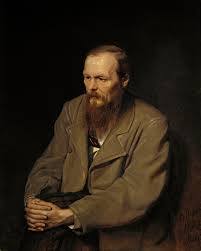
“Nothing is easier than to denounce the evildoer; nothing is more difficult than to understand him.” – Fyodor Dostoyevsky
Hating evil is natural. Understandable. Easy.
But to truly examine evil—to unravel why the evildoer does what they do—is unnatural. Not immediately understandable. Not easy.
There’s an implication here: understanding the evildoer requires work, struggle, confronting horror, and ultimately, taking action.
In a world saturated with lies, agendas, and allegiances, truth is hard to find. In this environment, every side baits us into hating the other as a source of pleasure.
It’s easy and satisfying to denounce evildoers. The denouncement itself becomes the action. Once you’ve condemned them, you can forget about it and go about your day.
But when you work to understand an evildoer, you may discover neither “this side” nor “that side” is truly evil. Instead, a third party emerges as the clearest, most logical source of evil—the one using deception and smoke and mirrors to ensure you never identified them as the true culprit.
However, suppose you do find the true evildoer and they’re revealed in their evil. To understand genuine evil is to dabble in matters of deadly seriousness, where there is little room for laughter.
When you arrive at the true evildoer and work through their history, their words, their actions—attempting to understand them—that’s when real enlightenment about good and evil begins.
And most importantly, that’s when you understand what must be done about it, and what it will require from you.
It may be that when you find true evil and understand it, it sets you on a path of virtue to overcome it.
We can denounce endlessly, talking easy shit in circles. Or we can ask questions, seek understanding, find true evil, and understand those we may rightly call enemies.
Which leads you down a road of wisdom, understanding, and righteous strength?
You tell me.
 KEEP THE OLD WARM
Leave a comment